
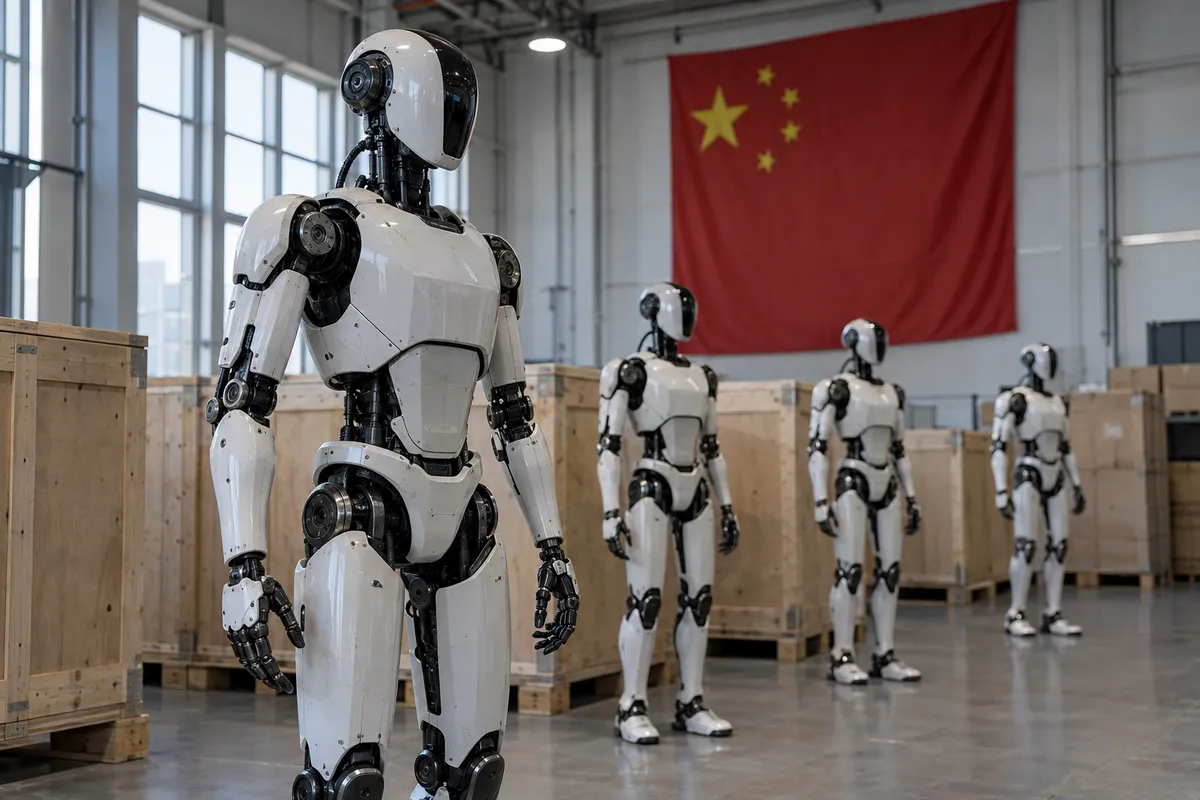
Humanoid robotics has gained two useful reality checks in the same day. Around 7,000 humanoid robots were sold worldwide in 2025 for industrial and professional-service applications, according to International Federation of Robotics data reviewed by Reuters. IFR Secretary General Susanne Bieller said many were purchased by research institutions or companies generating training data rather than performing productive work. Carmaker pilots typically involved single-digit or, in some cases, double-digit robot counts.
For investors, that distinction matters more than the headline unit count. Sales establish that a market exists. They do not establish productive deployment, recurring customer demand, attractive economics or commercial scale.
At the same time, Reuters reports that Chinese regulators are slowing some humanoid-robot IPO plans while examining whether valuations and revenue tied to government-supported projects reflect sustainable demand. Reuters cited people familiar with the matter and reported that the China Securities Regulatory Commission did not respond to a request for comment, so the regulatory action should not yet be treated as formally confirmed guidance.
The two developments point in the same commercial direction without proving the same thing. The IFR data provide an early market baseline. The China report concerns capital-market scrutiny and revenue quality. Neither changes the deployment evidence of an individual humanoid company, and neither justifies an Evidence Score for the market as a whole.
What they do change is the diligence question.
Sales are not yet a proxy for productive deployment
The IFR tally is one of the first broad measures of humanoid sales. Its boundary is equally important. Reuters reports that the dataset excludes consumer and military humanoids, while medical robots are classified separately. IFR defines qualifying humanoids by human-like appearance and autonomous operation in environments designed for humans.
More importantly for commercial analysis, a unit sold to a research organization or data-collection program is economically different from a robot repeatedly performing useful work for an external customer.
Humanoid Analytics therefore would not treat 7,000 sales as evidence of 7,000 operational deployments. The stronger indicators remain named customer use, payment, operating duration, repeat orders, measurable task performance and continued operation.
Capital markets are asking a similar question
Reuters reports that Chinese regulators are particularly examining whether revenue associated with local-government-backed data centers and joint ventures represents sustainable demand from independent customers. The report also says investors and bankers are putting greater emphasis on deployment, order volumes and commercial viability.
That regulatory picture remains only partially confirmed because Reuters relies materially on unnamed sources and no formal CSRC guidance was cited. The commercial question, however, is directly testable company by company: who is paying, what robots are operating, what tasks are being performed, and whether demand repeats without policy-supported purchasing.
The next proof to watch is more granular than another market forecast. IFR’s public humanoid dataset should clarify the composition of the 2025 sales base. For individual companies, customer-confirmed productive deployments, repeat orders and operating metrics would provide stronger evidence that growing shipments and revenue are translating into durable commercial activity.
Sources:
- Reuters, “Humanoid robot sales tally hit 7,000 globally last year”
Source type: Tier 2, strong independent evidence
Reuters source - Reuters, “China slows humanoid robot IPO rush as hype outruns reality”
Source type: Tier 2, strong independent evidence, with material anonymous-source limitations
Reuters source - International Federation of Robotics, “Download Papers”
Source type: Tier 1, direct or official evidence
IFR papers page